USS Springfield Returns Home to Naval Base Guam
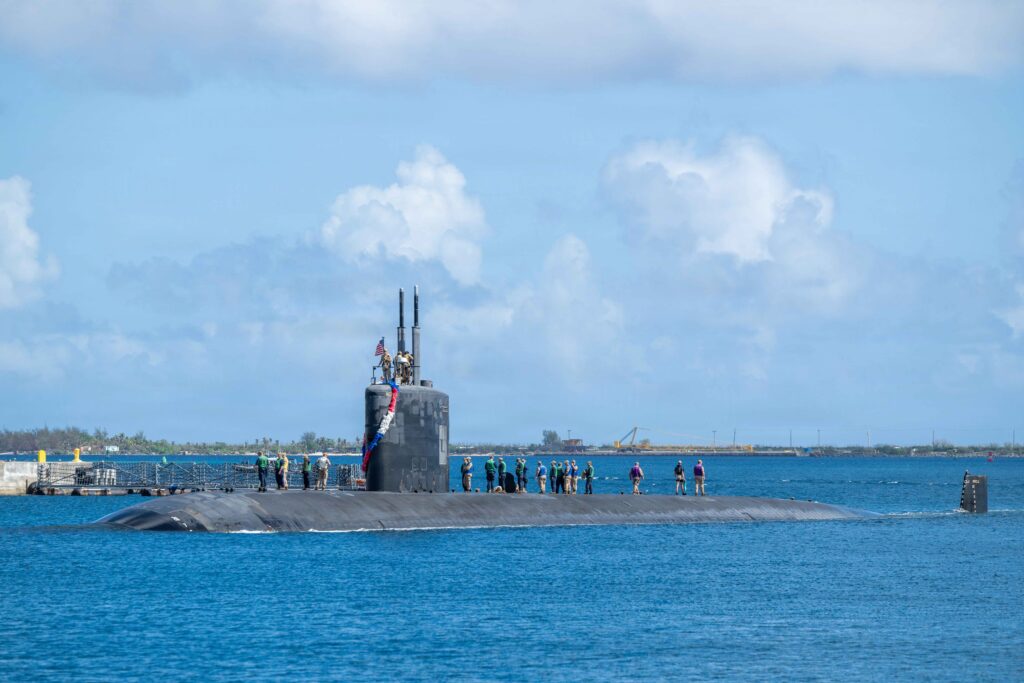
NAVAL BASE GUAM (May 31, 2026) – Los Angeles-class fast-attack submarine USS Springfield (SSN 761) transits Apra Harbor at Naval Base Guam, returning to its homeport after completing a routine deployment in the Indo-Pacific, May 31, 2026. Assigned to Commander, Submarine Squadron 15, based at Polaris Point, Naval Base Guam, Springfield is one of five forward-deployed fast-attack submarines. (U.S. Navy photo by Mass Communication Specialist 1st Class Bryan Mai)

From the Navy Office of Information, June 3, 2026 

NAVAL BASE GUAM (May 31, 2026) – Los Angeles-class fast-attack submarine USS Springfield (SSN 761) returned to its homeport of Naval Base Guam, May 31, 2026, after completing a routine deployment in the Western Pacific. 

“Springfield’s presence in theater reaffirmed its role in maintaining security and stability throughout the region,” said Capt. Neil Steinhagen, commander, Submarine Squadron 15. “Through sustained forward presence and operational readiness, Springfield embodied its motto, ‘United for Freedom,’ while promoting peace through strength in support of a free and open Indo-Pacific.” 

Springfield’s deployment underscores the Navy’s commitment to maintaining a persistent, forward-deployed undersea presence ready to respond to evolving challenges across the Pacific. 

“Springfield’s operations directly supported forward-deployed readiness and reinforced the Navy’s ability to operate where it matters most,” said Cmdr. Greg Storer, commanding officer of USS Springfield. “The crew performed exceptionally, remained determined through every challenge, and executed every task with professionalism and purpose. I am incredibly proud of what they accomplished and grateful for the commitment they demonstrated every day.” 

During the deployment, four Springfield Sailors advanced in rank, while three officers and fifteen enlisted Sailors earned their submarine warfare insignia, commonly known as “dolphins” or “fish.” The insignia signifies qualification in submarine operations and reflects mastery of watch stations, systems, and responsibilities required to operate in the undersea domain. 

“Every day brought new challenges, and this crew met each one head-on,” said Master Chief Information Systems Technician (Communications) Chris Ries, Springfield’s chief of the boat. “They came together as one team, remained focused under pressure, and consistently looked out for one another. Their hard work, resilience, and dedication show why our Sailors are the true strength behind this submarine and our fleet.” 

Commissioned on Jan. 9, 1993, the Springfield is the fourth U.S. Navy ship to bear the name, honoring the cities of Springfield, Illinois, and Springfield, Massachusetts. Assigned to Commander, Submarine Squadron 15 at Polaris Point, Naval Base Guam, the Springfield is one of five forward-deployed fast-attack submarines. Renowned for their speed, endurance, stealth, and mobility, fast-attack submarines are the backbone of the Navy’s submarine force. Regarded as apex predators of the sea, Guam’s fast-attack submarines serve at the tip of the spear, reaffirming the submarine force’s forward-deployed presence in support of a free and open Indo-Pacific. 
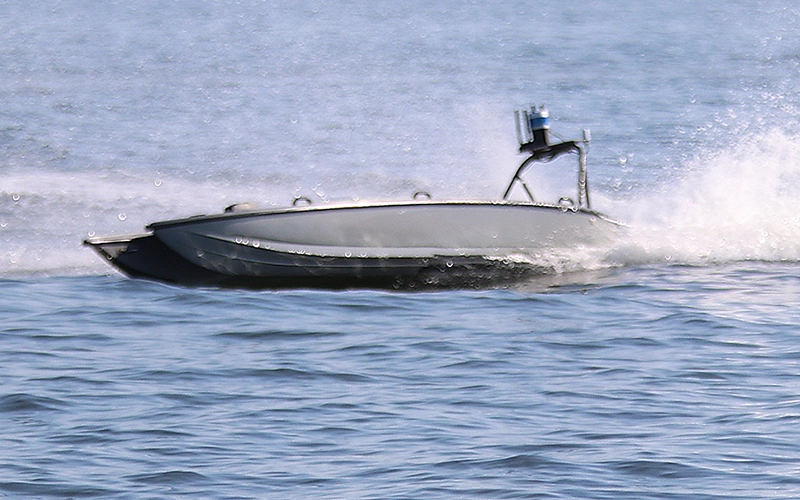


MARTAC Announces Opening of Innovation Center West in San Diego, California

New west coast facility expands MARTAC’s operational footprint and accelerates growth of autonomous maritime capabilities 


From MARTAC 

San Diego, CA — June 3, 2026 — Maritime Tactical Systems, Inc. (MARTAC), a leading provider of fully autonomous unmanned surface vessels (USVs), today announced the opening of the MARTAC Innovation Center West in San Diego, California. The new facility marks a significant milestone in the company’s strategic expansion, strengthening its ability to serve defense, security and commercial customers across the West Coast and Pacific regions. 

The MARTAC Innovation Center West will serve as a hub for research, development, testing and customer engagement, complementing MARTAC’s headquarters in Melbourne, Florida. San Diego’s deep ties to the U.S. Navy, its thriving defense technology ecosystem and its access to open-water testing environments make it the ideal location for MARTAC’s next phase of growth. 

“The opening of our Innovation Center West represents a pivotal step in MARTAC’s growth strategy,” said Jim Harvey, Chief Technology Officer of MARTAC. “San Diego is home to the largest concentration of naval assets in the world and an unmatched community of defense innovators. Establishing this facility allows us to work more closely with our customers, accelerate development timelines, and expand the reach of our autonomous maritime solutions.” 

The new center will support a range of activities, including advanced engineering and systems integration, live-water demonstrations of MARTAC’s autonomous vessels, customer training and mission planning and collaborative development with defense and industry partners. The facility is expected to create new jobs in the San Diego area and further cement MARTAC’s position as a leader in the rapidly growing unmanned maritime systems market. 

MARTAC’s facility expansion comes at a time of accelerating demand for autonomous maritime capabilities. The U.S. Navy has outlined plans to significantly grow its fleet to include a substantial number of uncrewed vessels, and MARTAC’s combat-proven platforms—including the MANTAS™ T-series and Devil Ray™—are already in operational deployment supporting fleet operations worldwide. 

“Our customers are telling us they need more capacity, faster delivery and closer collaboration,” Tony Smeraglinolo, CEO added. “The Innovation Center West answers all three. It positions MARTAC to scale alongside the growing demand for autonomous maritime systems and ensures we remain at the forefront of this critical national security capability.” 


RTX’s Raytheon awarded $515 million contract for SPY-6 family of radars

Over the next decade, SPY-6 is expected to be deployed on more than 50 U.S. Navy ships, enhancing defense against air, surface, ballistic and electronic warfare threats. (Photo credit: Huntington Ingalls Industries)

Contract accelerates integration and test support for the U.S. Navy’s most advanced maritime radar 

From RTX 

ANDOVER, Mass. (June 3, 2026) — Raytheon, an RTX (NYSE: RTX) business, has been awarded a $515 million contract from the U.S. Navy for the SPY-6 family of radars. The contract is a follow-on to the Integration and Production Support contract, which was awarded in June 2025, and includes upgrading Flight IIA destroyers with the SPY-6(V)4 variant. 

Under the sole source award, Raytheon will provide continued support for the SPY-6 family of radars to the U.S. Navy, including the government of Germany with the potential for other countries to be added under the Foreign Military Sales program. 

“With over a decade of demonstrated success at sea, SPY-6 remains the U.S. Navy’s most advanced maritime radar, providing the fleet with unmatched sensing power and multi-mission readiness to counter evolving threats,” said Barbara Borgonovi, president of Naval Power at Raytheon. “Backed by an $800 million investment to modernize our radar manufacturing facilities, we’re accelerating production and are expecting to double SPY‑6 output by 2028.” 

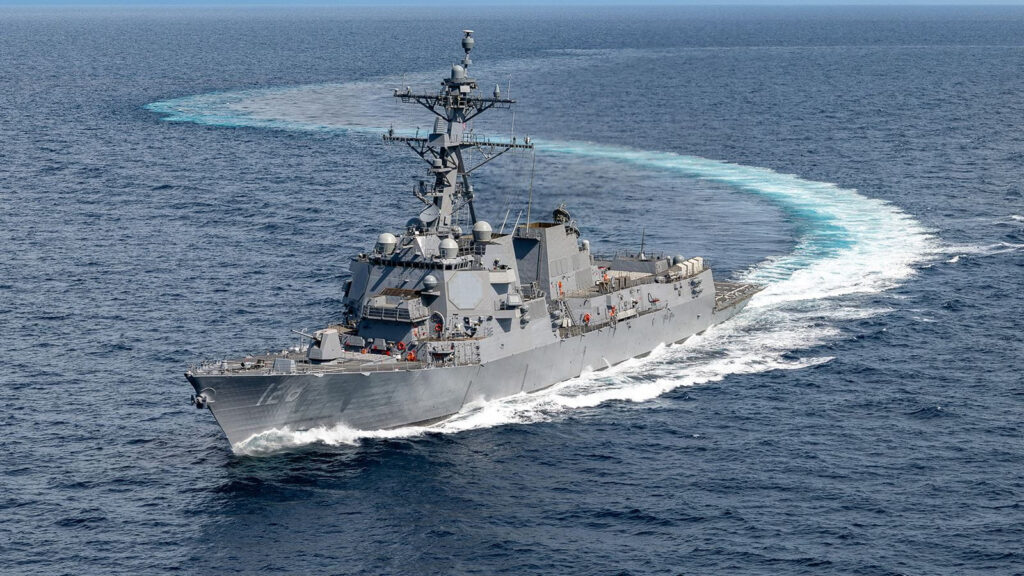
SPY-6 is now aboard two commissioned U.S. Navy ships and is installed on 11 others, all of which are undergoing various stages of testing. Over the next decade, SPY-6 is expected to be deployed on more than 50 U.S. Navy ships, enhancing defense against air, surface, ballistic and electronic warfare threats. 

SPY-6 is one of several radar programs designed and manufactured at Raytheon’s Radar Development Facility in Andover, Massachusetts, a 30,000-square foot site supporting the production of diverse types of radars for U.S. and allied forces. This vertically integrated and highly automated site is one of the most advanced in the world, complete with a gallium nitride (GaN) foundry to produce the semiconductors essential for SPY-6 and other Raytheon radars. 

Raytheon is actively hiring engineers across multiple disciplines to support this critical program. Interested candidates can learn more by visiting our website


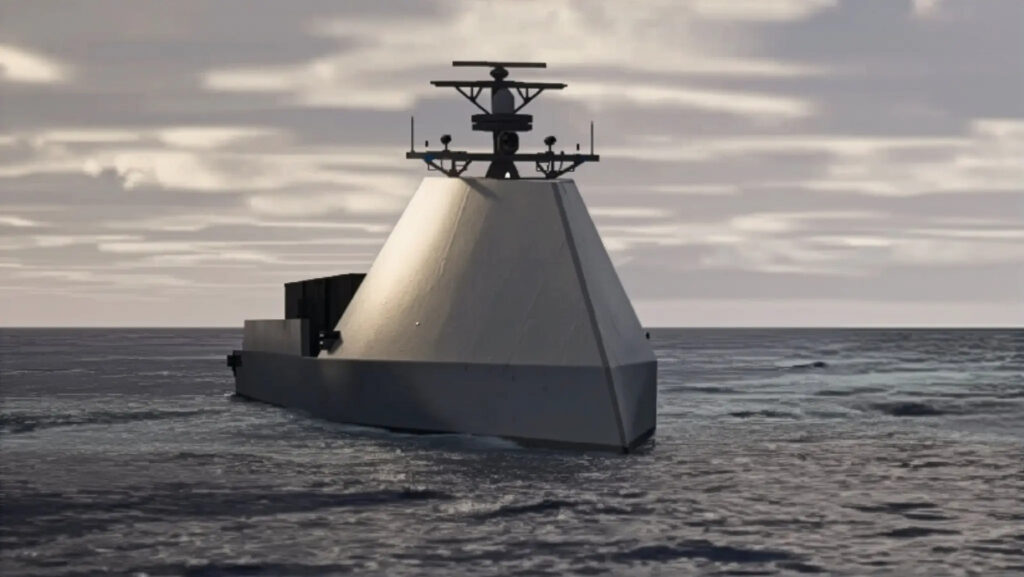
HII’s Romulus USV Advances to U.S. Navy Medium Unmanned Surface Vessel At-Sea Testing Phase

From HII 
 

MCLEAN, Va., Statement by Andy Green, executive vice president of HII and president of HII’s Mission Technologies division, on the U.S. Navy’s selection of HII’s Romulus Unmanned Surface Vessel to advance to the at-sea testing phase of the Medium Unmanned Surface Vessel (MUSV) program: 

“HII is proud that Romulus USV has advanced to the U.S. Navy’s Medium Unmanned Surface Vessel evaluation phase, a milestone that reflects HII’s longstanding track record for delivering mission-ready autonomous capabilities that support the U.S. Navy’s evolving operational requirements. 

“At the core of the Romulus USV is HII’s extensive experience as a global leader in autonomous unmanned maritime systems, combined with HII’s Odyssey Autonomous Control Solutions, a proven autonomy software suite and a key differentiator of our solution. Demonstrated across programs supporting the U.S. Navy, U.S. Marine Corps, U.S. Coast Guard, and allied partners, Odyssey enables intuitive command and control of autonomous platforms and swarms across domains, enhancing fleet lethality, survivability, and operational effectiveness. 

“Romulus brings together advanced autonomy, scalable platform design, and efficient manufacturing in a production-ready solution engineered to meet the demands of distributed maritime operations and integrated manned-unmanned teaming. Its endurance, flexibility, and payload capacity provide the operational versatility required for future naval missions. 

“We appreciate the U.S. Navy’s confidence in Romulus and look forward to demonstrating the platform’s maturity, reliability, and operational effectiveness in support of the service’s vision for autonomous maritime operations.” 


MARTAC, Mystic Powerboats to Expand Production Capacity for Autonomous USV Deliveries 

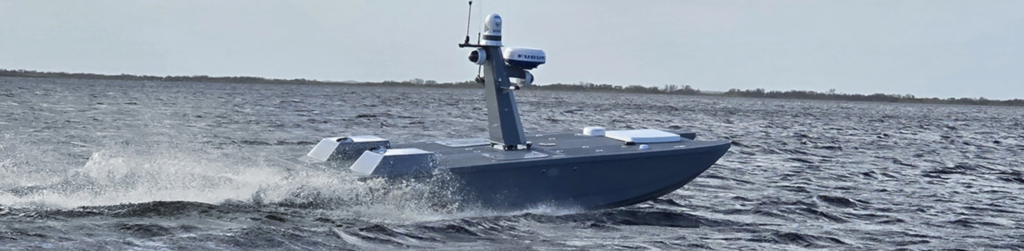
MARTAC T18 USV 
 

From Tactical Systems Inc. 

Partnership combines autonomous maritime expertise and advanced composite manufacturing to accelerate U.S. and allied defense vessel production 

MELBOUORNE, Fla., June 1, 2026 — Maritime Tactical Systems Inc. (MARTAC), a leading provider of high-performance autonomous unmanned surface vehicles (USVs), and Mystic Power boats (Mystic), a leader in high-performance composite vessel construction, today announced a co-production partnership to increase MARTAC’s domestic production capacity to meet growing requirements from U.S. and allied customers. 

Demand for autonomous maritime systems is accelerating as defense and national security organizations expand their use of autonomous capabilities in distributed maritime operations, maritime domain awareness, logistics support and force protection. MARTAC’s family of USVs, including the Devil Ray™ and MANTAS™ platforms, has been operationally proven for over ten years in multiple government programs and exercises. The company is now positioned to expand current capacity that meets both near-term needs and can scale with the market demands over time. 

Mystic Powerboats brings three decades of expertise in advanced carbon-fiber and composite manufacturing, operating from a nearly 100,000-square-foot production facility equipped with the tooling, workforce and processes required to produce high-strength, lightweight hull structures at scale. Mystic’s proven capabilities in epoxy resin infusion, carbon-fiber lamination and foam-core construction align directly with the materials and methods used in MARTAC’s Devil Ray and MANTAS platforms, making the company an ideal co-production partner for scaling autonomous vessel deliveries. 

“Accelerating autonomous maritime capability is imperative as nations place greater emphasis on maintaining maritime awareness, ensuring force protection across distributed maritime operations and protecting critical shipping lanes” said John Cosker, Founder and Chief Executive Officer of Mystic Powerboats. “We are proud to leverage our heritage of applying advanced technology to deliver high-performance, rigorously tested watercraft to now help advance the autonomous capabilities our nation and our allies need.” 

“The United States is home to exceptional marine manufacturing companies with deep expertise in advanced composites and maritime construction,” said “Seamus Flatley, Chief Growth Officer at MARTAC. “Mystic Powerboats is a great example of this ‘made in America’ ingenuity. They are a world-class builder with the advanced composite manufacturing capabilities and skilled workforce needed to produce the high-performance hull structures our platforms require. Partnering with Mystic is a key step in our strategy to rapidly scale production while ensuring that our systems remain operationally proven and ready to deploy.” 

MARTAC’s partnership with Mystic is the first of several pending domestic co-production partnerships the company is finalizing that will support a significant expansion of its co-production framework. The distributed production model strengthens MARTAC’s ability to meet operational demand by increasing surge capacity, diversifying the supply chain, and accelerating delivery timelines. 


U.S. Defends, Disables Threats in Response to Iranian Aggression 

From U.S. Central Command, May 31, 2026 

TAMPA, Fla. — U.S. Central Command (CENTCOM) conducted self-defense strikes on Iranian radar and command and control sites for drones in Goruk, Iran and Qeshm Island this weekend. 

The measured and deliberate strikes occurred on Saturday and Sunday in response to aggressive Iranian actions that included the shootdown of a U.S. MQ-1 drone that was operating over international waters. U.S. fighter aircraft swiftly responded by eliminating Iranian air defenses, a ground control station, and two one-way attack drones that posed clear threats to ships transiting regional waters. 

No American service members were harmed. CENTCOM will continue to protect U.S. assets and interests in response to unwarranted Iranian aggression during the ongoing ceasefire. 


Navy Accepts Accelerated Delivery of Future USS Patrick Gallagher 

Image Credit: US Navy

From the Navy’s Office of Information, June 1, 2026 

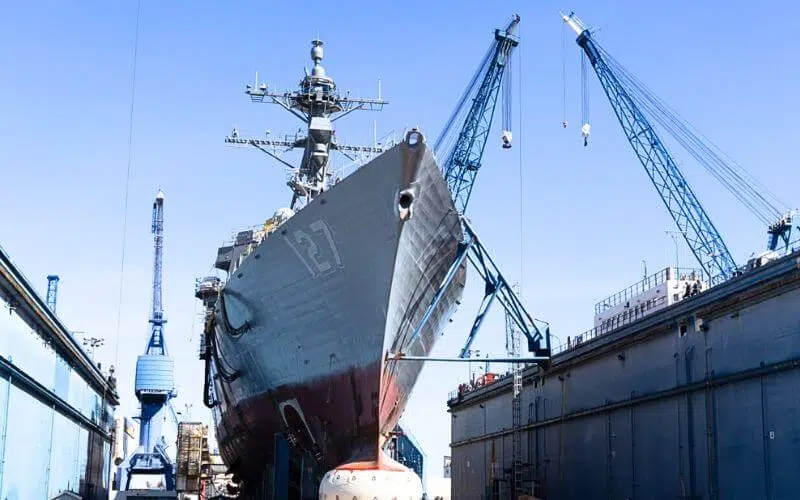
WASHINGTON – The U.S Navy accepted delivery of future USS Patrick Gallagher (DDG 127), the final Flight IIA Arleigh Burke-Class destroyer, from Bath Iron Works, May 28. 

The delivery, which marks the official transfer of the ship from the shipbuilder to the Navy, was accelerated by more than two months, due to exceptional builder’s sea trials. The trials executed hull, mechanical, electrical and combat systems at sea testing in series, during a single accelerated effort. 

“Our nation’s leadership, including Secretary Hegseth and Acting Secretary Cao have been very clear—build ships faster,” said William Mahan, Performing the Duties of Assistant Secretary of the Navy for Research, Development and Acquisition. “Thanks to innovative collaboration between the Navy and industry, we’re doing exactly that.” 

“DDG 127 conducted an accelerated block builder’s sea trial as a result of the phenomenal coordination between the Navy and Bath Iron Works. The ship’s outstanding material condition during sea trials paved the way for accelerating ship delivery by over two months, which will allow the fleet to employ this capability even sooner,” said Capt. Jay Young, DDG 51 Class program manager, Deputy Portfolio Acquisition Executive, Combatants.  

“Accelerated delivery of the future USS Patrick Gallagher signals our ongoing commitment to urgency in shipbuilding and this momentum will carry forward as we continue to build and deliver these advanced warships to the fleet.” 

To accelerate delivery, the Navy and industry team identified opportunities to streamline the process and maximize operational value with specific focus on ensuring complete construction and reducing the time between trial events. 

“Our shipbuilders are a national strategic asset. Achievements like this aren’t possible without their incredible dedication, craftsmanship and work ethic. Our Fleet and our nation appreciate them greatly.” Mahan said. 

With the accelerated delivery, the Fleet now receives additional time for crew ownership enabling expanded timelines for training and certification. 

The ship is named in honor of Marine Corps Cpl. Patrick Gallagher who immigrated to the United States from Ireland and joined the United States Marine Corps. He received the Navy Cross for heroism during the Vietnam War when he jumped on and threw an enemy grenade into a river to save his fellow Marines. He was killed in action just one year later. 

The delivery of DDG 127 underscores the Navy’s commitment to building America’s Fleet of the Future. For 250 years, American naval power has projected strength globally, operating forward 24/7, 365 days a year. This operational tempo demands continuous capability delivery, and the Fleet of the Future is our answer. 


Nimitz Hosts Caribbean Leaders During Southern Seas 2026 Deployment 

From U.S. Naval Forces, U.S. Southern Command/U.S. 4th Fleet, May 29, 2026 

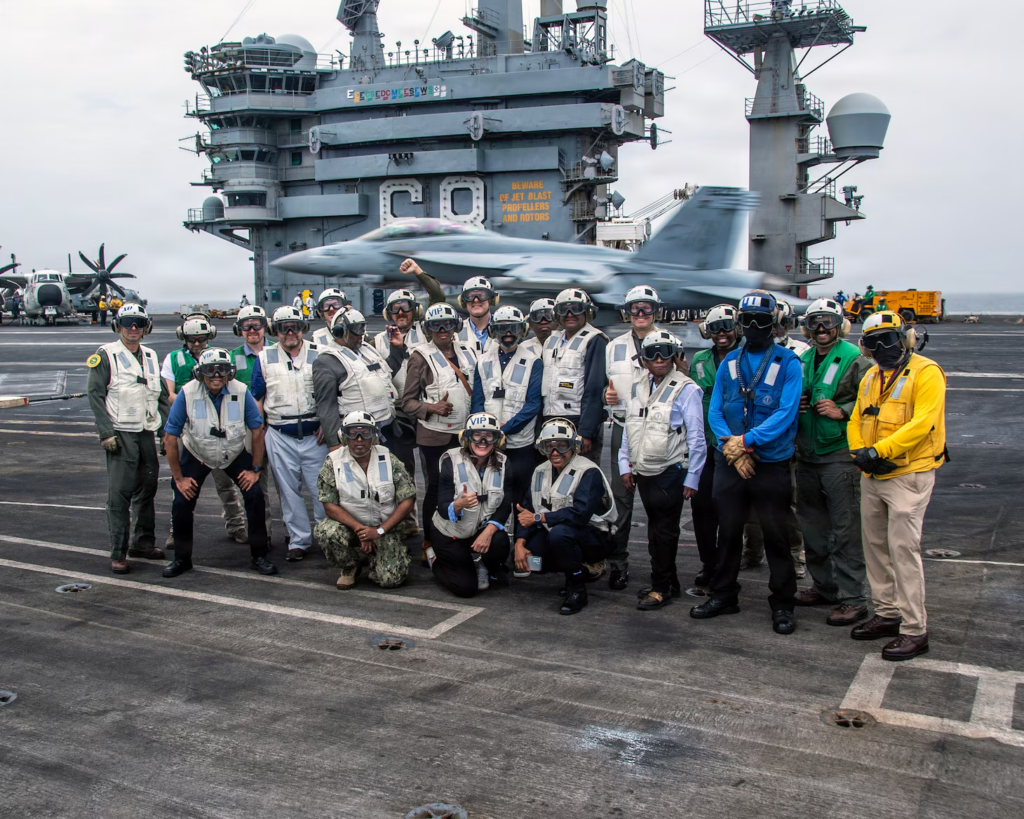
ATLANTIC OCEAN – The Nimitz-class aircraft carrier USS Nimitz (CVN 68) hosted several delegations from Caribbean nations during the latest leg of U.S. Naval Forces Southern Command (USNAVSOUTH)/U.S. 4th Fleet’s Southern Seas 2026 deployment in the Atlantic Ocean, from the end of May into the beginning of June. 

Delegations, consisting of government and military leaders, from Suriname, Guyana, Trinidad and Tobago, and Grenada were hosted aboard the deployed carrier, and given the opportunity to observe shipboard operations and capabilities, including flight operations. 

While onboard, each delegation met with Rear Adm. Cassidy Norman, commanding officer of Carrier Strike Group 11 and Capt. Joseph Furco, commanding officer of USS Nimitz to discuss the Southern Seas 2026 mission and the strong security partnerships between their respective countries and the U.S. 

Visitors were also able to observe flight demonstrations from Nimitz’ flight deck. 

The delegations were led by Suriname Minister of Defense Uraiqit Ramsara, President of the Cooperative Republic of Guyana Mohamed Irfaan Ali, Trinidad and Tobago Minister of Defense Wayne Sturge, and Grenada Prime Minister Dickon Mitchell. 

Nimitz Carrier Strike Group Sailors of Caribbean heritage also joined the tours, proudly representing the U.S. Navy as the ship hosted leaders from their nations of origin. 

Most notably, Aviation Structural Mechanic 2nd Class Neil DeAndrade, assigned to the “Indians” of Helicopter Sea Combat Squadron 6 and originally from Guyana, was able to help deliver the tour for the Guyana delegation, which included his cousin, Cooperative Republic of Guyana Minister of Home Affairs Oneidge Walrond. 

Southern Seas 2026 marks the 11th iteration of the exercise to the region since 2007. Like the previous deployments, Southern Seas 2026 is designed to foster goodwill, strengthen maritime partnerships, counter threats, and build the U.S. Navy’s team alongside partner nation maritime services. 

During the deployment, the Nimitz Carrier Strike Group (NIMCSG) has conducted passing exercises and operations at sea with partner nation maritime forces as the ships circumnavigate the continent of South America. 

NIMCSG consists of the USS Nimitz, Carrier Air Wing (CVW) 17, Destroyer Squadron (DESRON) 9, and Arleigh Burke-class guided missile destroyer USS Gridley (DDG 101). 

USNAVSOUTH/FOURTHFLT is the trusted maritime partner for Caribbean, Central and South America maritime forces improving regional unity and security. 


U.S. Navy Announces Seven Companies Selected for MUSV Marketplace At-Sea Demonstrations

WASHINGTON – The Department of the Navy announced today that it has selected seven companies’ entries to advance to the at-sea testing phase of the Medium Unmanned Surface Vessel (MUSV) marketplace.

The seven companies selected to participate in the MUSV Family of Systems development are:

  • Sea Machines
  • Leidos
  • Saronic Technologies
  • Galliano Marine Services
  • PacMar Technologies
  • Birdon
  • Huntington Ingalls Industries (HII)

Companies whose MUSV successfully completes the at-sea test will receive $15 million and will be eligible for follow-on production. At-sea testing will begin next month and should be complete by October 2026.

The Portfolio Acquisition Executive (PAE), Robotics and Autonomous Systems’ (RAS) mission is to deliver hedge capabilities that expand naval power, increase operational persistence, and impose operational dilemmas that degrade adversary tempo and freedom of action.

The MUSV marketplace creates new opportunities for smaller, non-traditional shipyards to build our future fleet. This initiative represents a strategic shift in naval acquisition, designed to rapidly field unmanned technologies by leveraging mature, existing commercial solutions.


Advancing the fight: TCTS II Elevates Air Wing Fallon Training

From Naval Air Systems Command

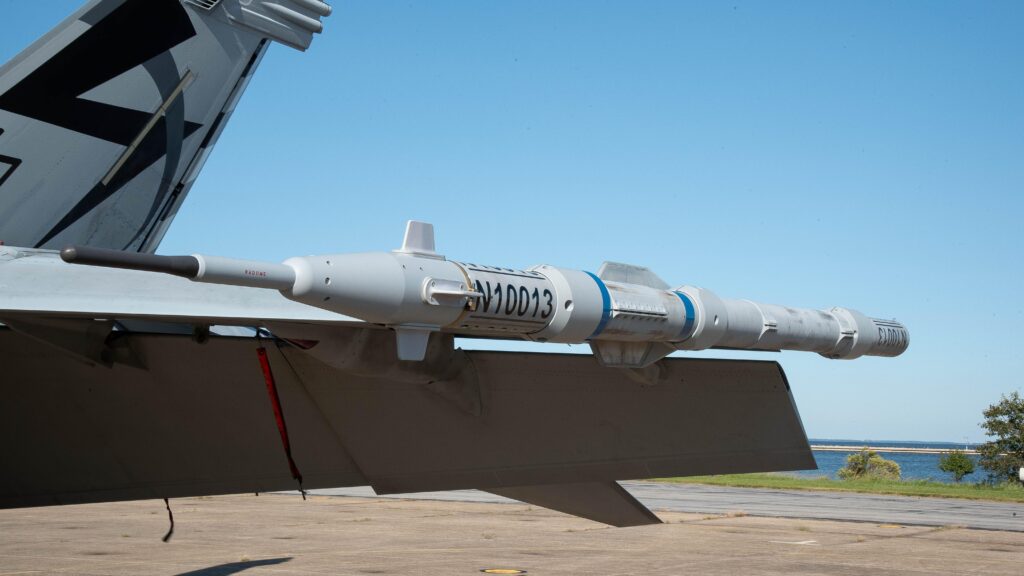
A Tactical Combat Training System Increment II (TCTS II) on an F/A-18 Super Hornet. TCTS II provides encrypted datalink and integrated Live, Virtual, Constructive training to deliver a more secure, data-driven combat training environment for Carrier Air Wings. Photo credit: U.S. Navy

NAVAL AIR STATION FALLON, Nevada — The Navy achieved a major milestone at Naval Air Station Fallon when F/A-18E/F Super Hornets from Carrier Air Wing (CVW) 11 flew training sorties equipped with the new Tactical Combat Training System, Increment II (TCTS II), for the first time in January.

Developed by Naval Aviation Training Systems and Ranges (PMA-205), TCTS II provides a seamlessly integrated Live, Virtual, Constructive (LVC) training environment, enhancing security and capability by replicating combat conditions and allowing crews to rehearse complex, distributed operations.

This advancement significantly bolsters Air Wing Fallon (AWF), the Navy’s premier pre-deployment training site at the Fallon Range Training Complex (FRTC). AWF is where carrier air wings refine tactics and develop combat readiness through intensive, data-driven scenarios.

“Fallon shapes our carrier air wings for major combat operations anywhere on the globe. TCTS II enables secure, integrated training by blending live with simulated scenarios to boost realism and readiness,” said Capt. Jonathan Schiffelbein, PMA-205 program manager.

Fielding TCTS II in time for the January training event required extraordinary coordination, Schiffelbein said, with teams urgently upgrading pods and ground equipment, including range remote units. This unified effort delivered a modernized training capability, ensuring air wings can train against threat representative environments.

“We can now capture, analyze and feedback high-fidelity training data much faster, tightening the loop between execution and improved tactics,” said Dan Carrigg, PMA-205 Live Training Environment deputy program manager.

TCTS II also supported Open Air Battle Shaping demonstrations, integrating LVC participants to simulate real-time weapon effects and force attrition. This capability turns data into actionable insight before the next sortie, accelerating the warfighting learning cycle and building decision advantage.

The successful integration of TCTS II into AWF underscores the Navy’s commitment to advancing training realism and force readiness. As carrier air wings prepare for deployment, AWF’s demanding curriculum combined with TCTS II’s enhanced capabilities ensures naval aviators are trained and ready to prevail in complex, contested environments.