22nd MEU (SOC) Concludes 10-Month Deployment  
From II MEF Communication Strategy & Operations, June 1, 2026  

MARINE CORPS BASE CAMP LEJEUNE, N.C. – Marines and Sailors of the 22d Marine Expeditionary Unit (Special Operations Capable) began returning home in waves June 1, 2026, after completing a nearly 10‑month deployment in support of Operation SOUTHERN SPEAR and U.S. Southern Command’s priorities of countering illicit threats, strengthening regional partnerships, and protecting the homeland. 

The 22d MEU (SOC) is comprised of Battalion Landing Team 3/6, Combat Logistics Battalion 26, and Marine Medium Tiltrotor Squadron 263 (Reinforced). The unit was embarked aboard the Iwo Jima Amphibious Ready Group, which included USS Iwo Jima (LHD 7), USS San Antonio (LPD 17), and USS Fort Lauderdale (LPD 28). Initially slated for deployment to 5th and 6th Fleet, the ARG/MEU pivoted south shortly after departing Norfolk, answering SOUTHCOM’s call for a flexible, sea‑based formation capable of responding across the competition continuum. 

During the ten‑month deployment, the 22d MEU (SOC) executed five distinct MEU Mission Essential Tasks, demonstrating its operational flexibility. Embassy reinforcement missions in Haiti and Venezuela provided security during periods of regional instability; five Maritime Interception Operations disrupted illicit trafficking networks across the Caribbean Basin; integration with Special Operations Forces (SOF) during Operation Absolute Resolve showcased the MEU’s ability to set the theater for sensitive joint missions; and foreign humanitarian assistance operations in Jamaica highlighted the MEU’s capacity to rapidly project aid from the sea. Together, these accomplishments underscored the strategic value of a forward‑postured naval expeditionary force. 

“This deployment proved a fundamental truth about our naval expeditionary forces: nobody can do what a ARG/MEU can do organically, across all warfighting functions and all domains,” said Col. Tom “Banshee” Trimble, commanding officer of the 22d MEU (SOC). “I am incredibly proud of this blue‑green team. Watching them pivot from high‑stakes power projection one day, to embassy reinforcement and a massive humanitarian relief effort the next was nothing short of eye‑watering.  

The deployment included several operational milestones for the IWOARG/22d MEU (SOC) team. During Operation Absolute Resolve, the ARG/MEU operated alongside joint and interagency partners to open and set the theater for special operations forces. Additionally, the MEU enhanced security at U.S. embassies in Port‑au‑Prince, Haiti, and Caracas, Venezuela. The unit played a key security role on Mar. 14, 2026, during the raising of the American flag at the U.S. embassy in Venezuela, and months later executed a quick‑reaction force and casualty‑evacuation rehearsal in Caracas that included transporting the SOUTHCOM Commander via MV‑22B Osprey. 

“The Navy and Marine Corps team demonstrated its flexibility and operational reach,” said Capt. Chris Farricker, Commodore, Iwo Jima Amphibious Ready Group and commander, Amphibious Squadron Eight. “Together, the IWO JIMA ARG and 22D MEU (SOC) showcased the United States’ ability to maintain a persistent maritime presence and respond effectively from the sea to meet regional challenges, with zero reliance on foreign basing.” 

The ARG/MEU spent more than 90 percent of its deployment in the Central Caribbean Basin, steaming over 130,000 nautical miles. 

“Our ability to create our own training opportunities, both from the sea and ashore, was a critical factor in our sustained readiness,” said Col. Trimble. “Our Marines and Sailors built a logistical hub where none existed and improved Camp Santiago to the point that the BLT was able to employ nearly every weapon in its arsenal. That ensured we maintained our tactical edge through month ten.” 

When natural disaster struck the region, the ARG/MEU rapidly transitioned to humanitarian assistance operations. From Oct. 31 to Nov. 13, 2025, in partnership with Joint Task Force–Bravo, the 22d MEU (SOC) delivered large‑scale relief to Jamaica following Hurricane Melissa. Leveraging ARG shipping, organic aviation, and sea‑based sustainment, the force reached isolated communities cut off by storm damage. Working alongside the Jamaica Defence Force and the U.S. State Department’s Disaster Assistance Response Team, the MEU delivered more than 780,000 pounds of supplies, dispensed 6,190 pounds of fuel at forward refueling points, and mapped 72 hasty landing zones using organic intelligence and reconnaissance assets. 

Beyond crisis response, the 22d MEU (SOC) strengthened regional partnerships and reinforced deterrence across the Caribbean. Marines and Sailors conducted two military exchanges with the Trinidad and Tobago Defence Force, focusing on infantry skills, Tactical Combat Casualty Care, and live‑fire mortar employment. Regional interoperability expanded further through a major bilateral exercise in Ecuador and participation in Exercise Tres Kolos alongside French and Dutch forces in Martinique. 

As the 22d MEU (SOC) returns home, it sets the stage for the incoming 24th MEU, deploying as the 24th Littoral Combat Force, to continue SOUTHCOM’s mission in the Caribbean. This deliberate transition ensures the region maintains a continuous, capable, and ready ARG/MEU presence in the Western Hemisphere.  


Navy Accepts Accelerated Delivery of Future USS Patrick Gallagher 

Image Credit: US Navy

From the Navy’s Office of Information, June 1, 2026 

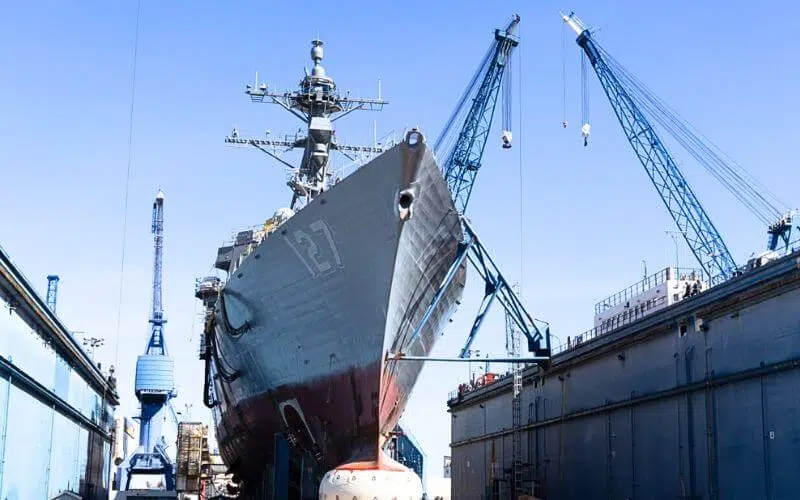
WASHINGTON – The U.S Navy accepted delivery of future USS Patrick Gallagher (DDG 127), the final Flight IIA Arleigh Burke-Class destroyer, from Bath Iron Works, May 28. 

The delivery, which marks the official transfer of the ship from the shipbuilder to the Navy, was accelerated by more than two months, due to exceptional builder’s sea trials. The trials executed hull, mechanical, electrical and combat systems at sea testing in series, during a single accelerated effort. 

“Our nation’s leadership, including Secretary Hegseth and Acting Secretary Cao have been very clear—build ships faster,” said William Mahan, Performing the Duties of Assistant Secretary of the Navy for Research, Development and Acquisition. “Thanks to innovative collaboration between the Navy and industry, we’re doing exactly that.” 

“DDG 127 conducted an accelerated block builder’s sea trial as a result of the phenomenal coordination between the Navy and Bath Iron Works. The ship’s outstanding material condition during sea trials paved the way for accelerating ship delivery by over two months, which will allow the fleet to employ this capability even sooner,” said Capt. Jay Young, DDG 51 Class program manager, Deputy Portfolio Acquisition Executive, Combatants.  

“Accelerated delivery of the future USS Patrick Gallagher signals our ongoing commitment to urgency in shipbuilding and this momentum will carry forward as we continue to build and deliver these advanced warships to the fleet.” 

To accelerate delivery, the Navy and industry team identified opportunities to streamline the process and maximize operational value with specific focus on ensuring complete construction and reducing the time between trial events. 

“Our shipbuilders are a national strategic asset. Achievements like this aren’t possible without their incredible dedication, craftsmanship and work ethic. Our Fleet and our nation appreciate them greatly.” Mahan said. 

With the accelerated delivery, the Fleet now receives additional time for crew ownership enabling expanded timelines for training and certification. 

The ship is named in honor of Marine Corps Cpl. Patrick Gallagher who immigrated to the United States from Ireland and joined the United States Marine Corps. He received the Navy Cross for heroism during the Vietnam War when he jumped on and threw an enemy grenade into a river to save his fellow Marines. He was killed in action just one year later. 

The delivery of DDG 127 underscores the Navy’s commitment to building America’s Fleet of the Future. For 250 years, American naval power has projected strength globally, operating forward 24/7, 365 days a year. This operational tempo demands continuous capability delivery, and the Fleet of the Future is our answer. 


Insitu Integrator VTOL Proves Long-Range Multi-INT Capability at Balikatan 2026

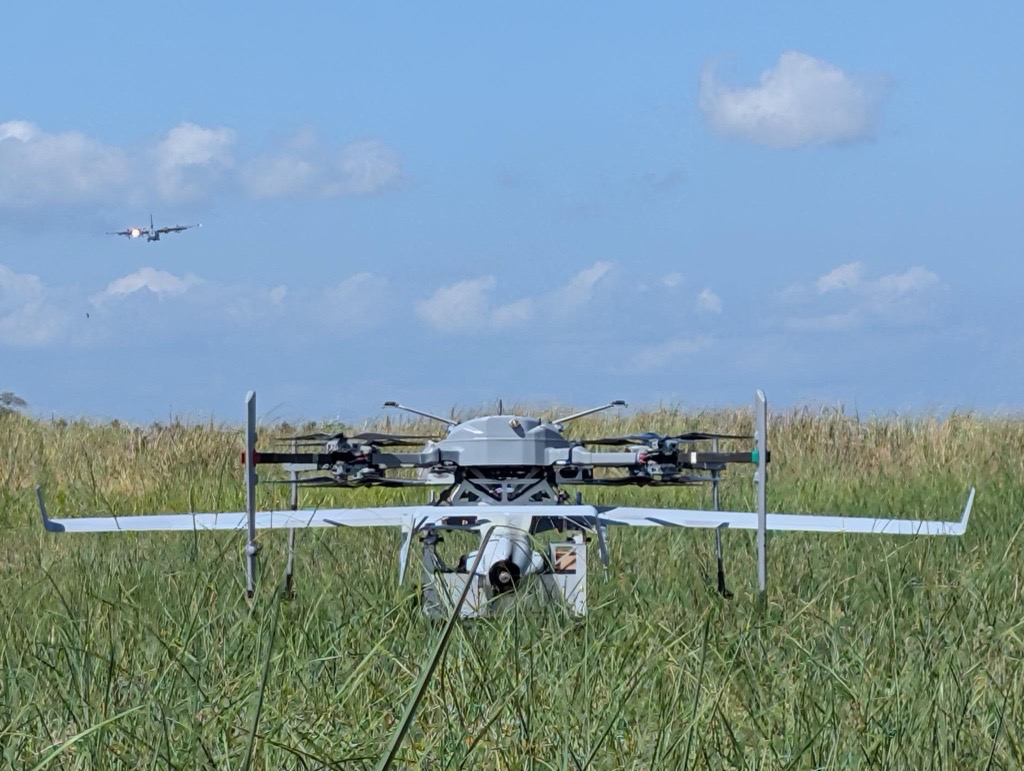
Integrator VTOL with FLARES ready to launch from FARP location

From Insitu 

BINGEN, WASH, June 2, 2026: Insitu, a Boeing company, successfully demonstrated its Integrator VTOL Uncrewed Aerial System (UAS) during Exercise Balikatan 2026, showcasing long-endurance, extended-range, multi-INT and AI-enabled battle management integration capabilities at density altitudes including above 12,000 feet and in heat indices reaching 107°F. 

Integrator VTOL delivered expeditionary performance and remote split operations in extreme heat and humidity while operating from unimproved, austere sites replicating Forward Arming and Refueling Positions (FARPs) at Balikatan 2026. 

During the exercise, Integrator VTOL: 

  • Completed a 22.4-hour sortie at 6,500–9,000 feet density altitude, returning with 1.5 hours of reserve fuel 

  • Performed extended Maritime Domain Awareness and ISR operations at 200 NM ranges with 6+ hours of time on station in a multi-INT configuration employing the IMSAR NSP-5 Synthetic Aperture Radar, cross-cueing a Hood Technologies multi-spectral EOIR6 gimbal  

  • Demonstrated detection of vessels at 35 NM through marine haze using Arkeus’ Warden passive Hyper-Spectral Optical Radar (HSOR), cross-cuing an onboard ACO9 narrow field of view gimbal.   

  • Used the small-packout FLARES VTOL system to execute landing and relaunch cycle from a covert austere position in just 38 minutes, demonstrating the agility required for USMC Expeditionary Advanced Base Operations (EABO) 

  • Detected, identified, and collected detailed imagery of vessels from combat-relevant stand-off ranges  

  • Employed a backpack-portable, battery-powered Ground Control Station at the FARP demonstrating truly mobile ground control 

  • Integrated safely into uncontrolled airspace using Boeing’s airspace management and deconfliction software, PLEO SATCOM, and advanced avionics 

  • Seamlessly integrated senor data with an AI-enabled battle management system (BMS), providing real-time actionable intelligence across a networked common operating picture  

“Integrator with FLARES VTOL offers significant range and endurance while carrying multiple-intelligence payload sets, and our recent demonstrations at Balikatan in extreme heat and high-density altitude conditions prove that it’s not just marketing,” said Diane Rose, Insitu CEO. “We brought our systems into some of the most challenging conditions, and they performed as designed. Integrator truly delivers Group 4–5 ISR and targeting capabilities at a fraction of the cost.” 

Integrator VTOL was operated by Insitu Field Services Representatives with decades of combined combat operations experience. Exercise evaluators praised Insitu’s team as “obvious professionals,” underscoring the company’s ability to support the warfighter. 

“I’m incredibly proud of our teammates for demonstrating operational excellence in harsh, demanding conditions,” added Rose. “From rucking the system into an austere FARP site, to operating in extreme heat while responding to dynamic tasking, our team showed the best of what our systems can offer.” 


Sigma Defense in Running for Navy Next-Generation CANES Programs 

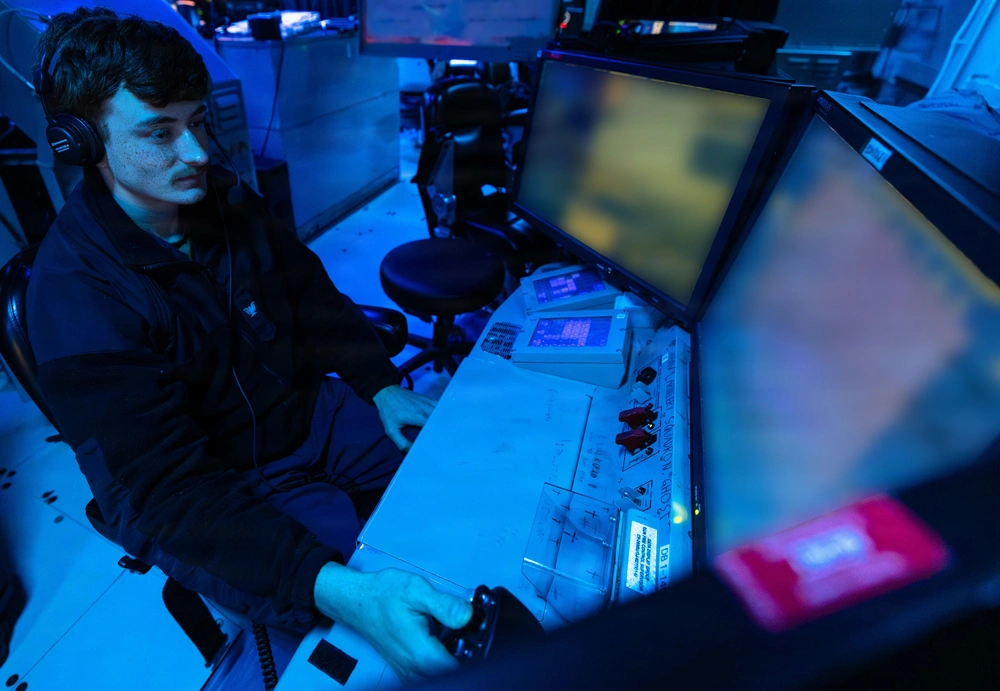
A U.S. Sailor stands watch in the combat information center of Arleigh Burke-class guided-missile destroyer USS Milius (DDG 69), April 9, 2026. Milius is deployed to the U.S. 5th Fleet area of operation to support maritime security and stability in the Middle East. (U.S. Navy photo) (Image blurred for operation security purposes)

By Richard R. Burgess, Senior Editor 

ARLINGTON, Va. Sigma Defense, a company with a prime contract for the Navy’s Consolidated Afloat Networks and Enterprise Services (CANES) program, is in the running for a down-select for the Next-Generation (NextGen) CANES program. 

CANES provides a core set of highly survivable, secure shipboard network services that is a programmatic and technical infrastructure consolidation of previously separately delivered and managed networks into a single computing environment. It can handle unclassified, secret, and sensitive compartmentalized information domains across the fleet with applications for email, chat, voice, and weapon system command and control. 

Sigma was awarded an OTA [Other Transactional Authority] for NextGen, said Ed Anderson, executive vice president for Innovative Mission Solutions, Sigma Defense, in an interview with Seapower. “It’s a clean sheet of paper but with existing hardware as a first go, and then we are going to get into hardware revisions to add capability and simplify the design. … We are in a down-selected prototype phase [with] at least one other competitor.”  

Anderson noted comments made in recent remarks by Chief of Naval Operations Admiral Daryl Caudle when he decried the lack of standardization of the various CANES versions in the fleet, and the need for a new CANES design to overcome some of the difficulties of the system. 

In February, SOLUTE, a Sigma Defense company, was awarded a seven-year, indefinite-delivery / indefinite-quantity contract by the Naval Information Warfare Center Pacific, San Diego, California to provide technical and programmatic services for the CANES program. The three-year base contract is valued at $42 million and includes two, two-year option periods that can bring the overall value to $102 million, Sigma said in a release.  

“Through CANES, Sigma Defense will support the design, integration, and testing of systems that are part of the CANES architecture, provide software engineering support, including development and updates for all CANES platforms, ensure systems modernization and provide fleet readiness support,” the release said.  

Asked about the main challenge in the CANES installation on board ships, Anderson noted the “difficulty with installing is the duration required. We’re cutting holes in ships to get racks in, any change in hardware requires re-cutting those holes, a large amount of time re-routing cabling. So, one particular thing we are looking to do is, with the software change, what capability could we add? What hard spots could we alleviate? That is the key aim for our work on NextGen.” 

Julie Ferraro, Sigma’s vice president for Maritime Networks, told Seapower that CANES is installed on new ships and retrofitted on ships already delivered. 

“The intention for NextGen is that we will handle a “green field” and a “brown field,” clean install or with existing configurations at different levels of integration,” she said. 

Anderson said he expected the Navy to make a further down-select in June or July 2026. 

Sigma Defense is based at Perry, Georgia, with other offices in San Diego, California; Huntsville, Alabama; Turnersville New Jersey: Orlando, Florida; and Arlington, Virginia.


As W88 Warhead production ends, Sandia looks to next phase 

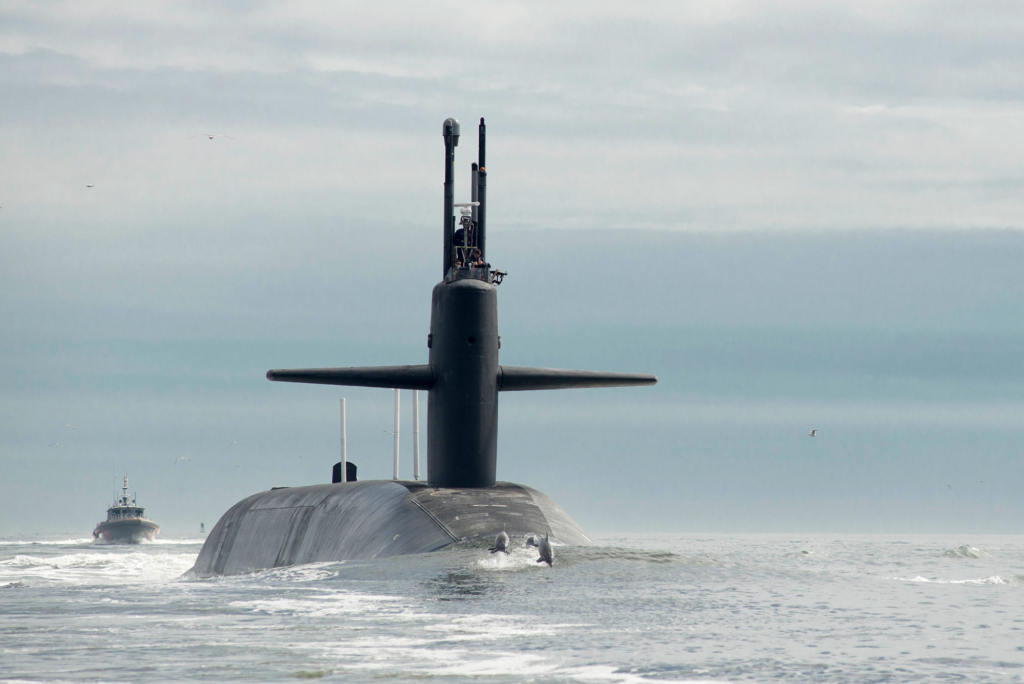
The W88 Alt 370 program addressed aging issues identified during routine surveillance, enhancing the reliability of a critical element of the sea-based leg of America’s strategic deterrent. (Photo courtesy of the U.S. Navy)

From Sandia National Laboratories, May 28, 2026 

ALBUQUERQUE, N.M. —  Sandia National Laboratories and the nuclear security enterprise completed production of the W88 Alteration 370 and fully transitioned the modernized warhead into the U.S. nuclear stockpile, shifting the program’s focus to long-term sustainment. 

The last production unit was completed at the Pantex Plant in Amarillo, Texas, in November. 

“I remember talking about the Alt 370 when we were just putting together plans,” said Troy Savoie, now a manager at Sandia leading the team that oversees stockpile sustainment of the warhead. 

Savoie started his Sandia career helping with specification requirements for environmental testing of the W88 Alt 370, which is carried onboard Ohio-class ballistic missile submarines as the warhead component of the Trident II D5 strategic weapons system. 

Sandia is the design agency for non-nuclear components and is the lead systems integrator for nuclear weapon programs. In addition, Sandia served as the production agency for several components within the weapon. 

“Completing the W88 Alt 370 is the latest instance of NNSA delivering modernized nuclear weapons to the Department of War at the pace and scale needed to fulfill our deterrence requirements,” NNSA Administrator Brandon Williams said. “Achieving two last production units for the B61-12 and W88 and the first production unit for the B61-13 all within a single year demonstrates our ability to execute NNSA’s fundamental production mission.” 

The W88 first entered the U.S. nuclear stockpile in 1988. The Alt 370 modernization program addressed aging-related issues identified through routine surveillance and refreshed key non-nuclear components to extend the warhead’s service life. 

The effort reached full-rate production in 2022. 

Warhead modernization 

Michael Steward, who served as W88 Alt 370 system production manager, said his team was responsible for the design, development and qualification of the Alt 370. Most recently, the team has focused on supporting rate production of components and the system as the program moved toward completion. 

His job entailed working closely with NNSA, the Navy, the Kansas City National Security Campus, Los Alamos National Laboratory, the Pantex Plant, Lockheed Martin and other partners across the enterprise to address technical challenges and ensure on-time delivery of warheads to the customer. 

“The key to overcoming them was working with subject matter experts here at Sandia, at our peer labs, at the production agencies, NNSA and the Navy,” Steward said. “Leveraging all the partnerships and relationships across the nuclear security enterprise ensured that we delivered to the customer.” 

At Sandia alone, hundreds of employees played a role in the modernization. 

“The W88 is the backbone of the sea-based leg of the U.S. nuclear triad,” Steward said. “It provides the president with a highly survivable strategic deterrent against attacks on the U.S. and its allies.” 

Sustainment role 

Steward and his team worked closely with the sustainment team throughout production to ensure a smooth transition to the stockpile. The teams are co-located and shared knowledge and lessons learned through daily in-person interactions and formal reviews. 

“Sandia’s role in those sustainment activities as the systems integrator will remain just as important,” Savoie said. 

That will include annual assessment of the W88’s state of health in the stockpile, maintaining and extending the underlying technical basis for those assessments and supporting logistics operations, field operations and production operations for surveillance rebuilds, or units taken out of the stockpile for inspection. 

Forward-looking activities include assessing compatibility with the next version of the delivery platform and refreshing the surveillance flight test body when it reaches the end of its life. 

As most production work wraps up, teams at Sandia are ready for the next chapter. 

“It’s not the end. It’s basically the beginning of stockpile life for the W88 Alt 370,” Savoie said. “There’s W88 work at Sandia for years to come.” 


Coast Guard, partners seize vessel off Cape Florida loaded with 6.7M worth of cocaine

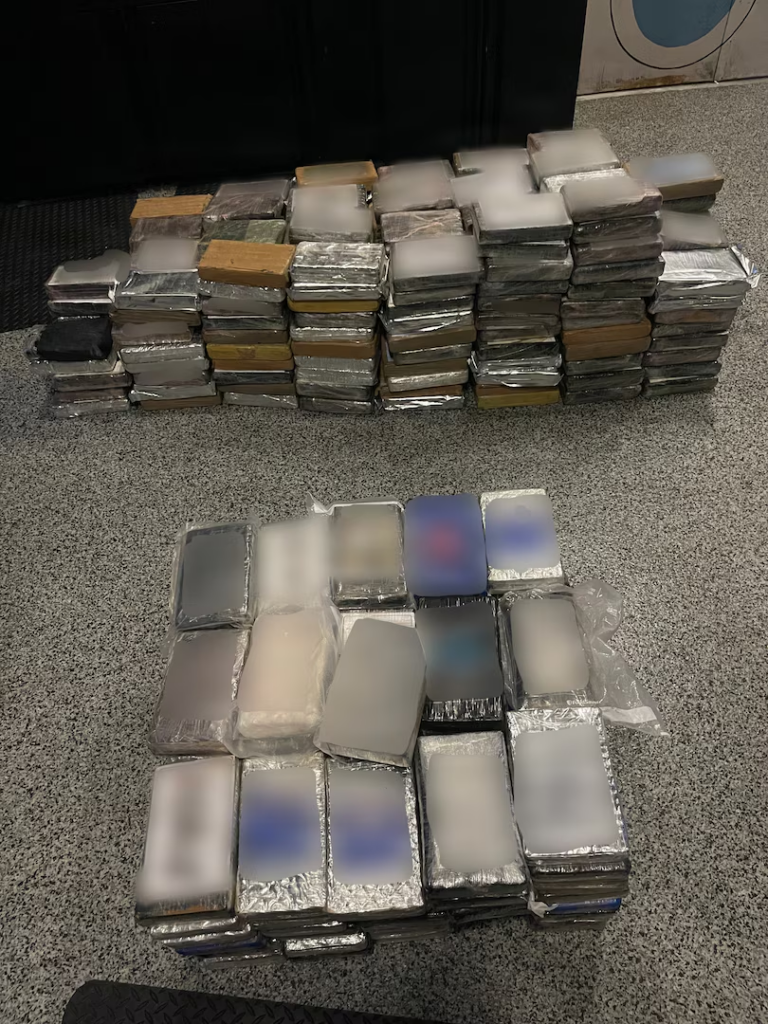
A U.S. Coast Guard Station Miami Beach law enforcement boat crew along with Customs and Border Protection Air and Marine Operations and CBP Office of Field Operations officers seize approximately 900 pounds of cocaine from a suspected drug smuggling vessel at Coast Guard Station Miami Beach, May 29, 2026. Coast Guard Station Miami Beach’s crew interdicted the suspected drug smuggling vessel one mile east of Cape Florida, with approximately $6.7 million worth of cocaine. (U.S. Coast Guard photo by Petty Officer 2nd Class Eric Rodriguez)

From U.S. Coast Guard Southeast District, May 29, 2026 

MIAMI – A U.S. Coast Guard Station Miami Beach law enforcement boat crew along with Customs and Border Protection Air and Marine Operations and CBP Office of Field Operations officers seized approximately 900 pounds of cocaine, worth approximately $6.7 million, from a suspected drug smuggling vessel one mile east of Cape Florida, Sunday.  

Federal agents from the Drug Enforcement Agency Miami Division took custody of three suspected smugglers and narcotics for further investigation.    

“The Coast Guard and our federal, state and local law enforcement partners remain vigilant in our shared efforts to keep our maritime borders safe by preventing illicit narcotics from reaching our communities,” said Lt. Matthew Ross, Coast Guard Station Miami Beach commanding officer. “I couldn’t be more proud of the professionalism of our law enforcement crews and our continued collaboration with our partners to safeguard American lives.”    

We are part of a whole-of-government approach to secure our borders by dismantling Foreign Terrorist Organizations and Transnational Criminal Organizations, including narco-trafficking and human smuggling operations.  

The Coast Guard is the United States’ lead federal agency for maritime drug interdiction. We are part of the Department of Homeland Security team protecting our nation and are at all times a military service and part of the joint force defending it.  As a member of the joint force, a law enforcement organization, a regulatory agency and a member of the U.S. intelligence community, the Coast Guard employs a unique mix of authorities to ensure the safety and integrity of the maritime domain to protect the economic and national security of the nation.  

U.S. Customs and Border Protection is America’s frontline: the nation’s largest law enforcement organization and the world’s first unified border management agency. The 67,000+ men and women of CBP protect America on the ground, in the air, and on the seas. We enforce safe, lawful travel and trade and ensure our country’s economic prosperity. We enhance the nation’s security through innovation, intelligence, collaboration, and trust.  


Nimitz Hosts Caribbean Leaders During Southern Seas 2026 Deployment 

From U.S. Naval Forces, U.S. Southern Command/U.S. 4th Fleet, May 29, 2026 

ATLANTIC OCEAN – The Nimitz-class aircraft carrier USS Nimitz (CVN 68) hosted several delegations from Caribbean nations during the latest leg of U.S. Naval Forces Southern Command (USNAVSOUTH)/U.S. 4th Fleet’s Southern Seas 2026 deployment in the Atlantic Ocean, from the end of May into the beginning of June. 

Delegations, consisting of government and military leaders, from Suriname, Guyana, Trinidad and Tobago, and Grenada were hosted aboard the deployed carrier, and given the opportunity to observe shipboard operations and capabilities, including flight operations. 

While onboard, each delegation met with Rear Adm. Cassidy Norman, commanding officer of Carrier Strike Group 11 and Capt. Joseph Furco, commanding officer of USS Nimitz to discuss the Southern Seas 2026 mission and the strong security partnerships between their respective countries and the U.S. 

Visitors were also able to observe flight demonstrations from Nimitz’ flight deck. 

The delegations were led by Suriname Minister of Defense Uraiqit Ramsara, President of the Cooperative Republic of Guyana Mohamed Irfaan Ali, Trinidad and Tobago Minister of Defense Wayne Sturge, and Grenada Prime Minister Dickon Mitchell. 

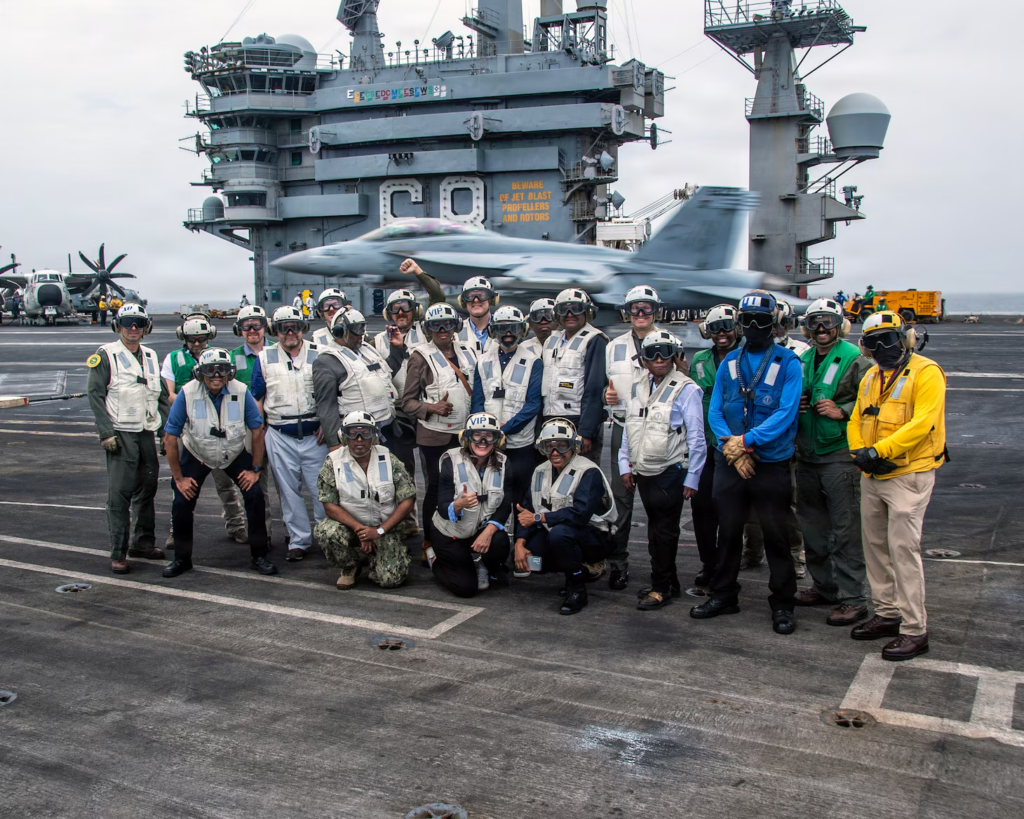
Nimitz Carrier Strike Group Sailors of Caribbean heritage also joined the tours, proudly representing the U.S. Navy as the ship hosted leaders from their nations of origin. 

Most notably, Aviation Structural Mechanic 2nd Class Neil DeAndrade, assigned to the “Indians” of Helicopter Sea Combat Squadron 6 and originally from Guyana, was able to help deliver the tour for the Guyana delegation, which included his cousin, Cooperative Republic of Guyana Minister of Home Affairs Oneidge Walrond. 

Southern Seas 2026 marks the 11th iteration of the exercise to the region since 2007. Like the previous deployments, Southern Seas 2026 is designed to foster goodwill, strengthen maritime partnerships, counter threats, and build the U.S. Navy’s team alongside partner nation maritime services. 

During the deployment, the Nimitz Carrier Strike Group (NIMCSG) has conducted passing exercises and operations at sea with partner nation maritime forces as the ships circumnavigate the continent of South America. 

NIMCSG consists of the USS Nimitz, Carrier Air Wing (CVW) 17, Destroyer Squadron (DESRON) 9, and Arleigh Burke-class guided missile destroyer USS Gridley (DDG 101). 

USNAVSOUTH/FOURTHFLT is the trusted maritime partner for Caribbean, Central and South America maritime forces improving regional unity and security. 


MARTAC Partners with Mystic Powerboats to Expand Production Capacity for Autonomous USV Deliveries 

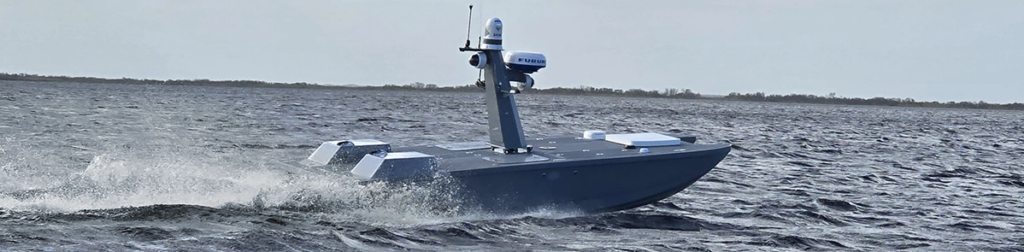
MARTAC T18 USV

From Tactical Systems Inc. 


Partnership combines autonomous maritime expertise and advanced composite manufacturing to accelerate U.S. and allied defense vessel production 

MELBOUORNE, Fla., June 1, 2026 — Maritime Tactical Systems Inc. (MARTAC), a leading provider of high-performance autonomous unmanned surface vehicles (USVs), and Mystic Power boats (Mystic), a leader in high-performance composite vessel construction, today announced a co-production partnership to increase MARTAC’s domestic production capacity to meet growing requirements from U.S. and allied customers. 

Demand for autonomous maritime systems is accelerating as defense and national security organizations expand their use of autonomous capabilities in distributed maritime operations, maritime domain awareness, logistics support and force protection. MARTAC’s family of USVs, including the Devil Ray™ and MANTAS™ platforms, has been operationally proven for over ten years in multiple government programs and exercises. The company is now positioned to expand current capacity that meets both near-term needs and can scale with the market demands over time. 

Mystic Powerboats brings three decades of expertise in advanced carbon-fiber and composite manufacturing, operating from a nearly 100,000-square-foot production facility equipped with the tooling, workforce and processes required to produce high-strength, lightweight hull structures at scale. Mystic’s proven capabilities in epoxy resin infusion, carbon-fiber lamination and foam-core construction align directly with the materials and methods used in MARTAC’s Devil Ray and MANTAS platforms, making the company an ideal co-production partner for scaling autonomous vessel deliveries. 

“Accelerating autonomous maritime capability is imperative as nations place greater emphasis on maintaining maritime awareness, ensuring force protection across distributed maritime operations and protecting critical shipping lanes” said John Cosker, Founder and Chief Executive Officer of Mystic Powerboats. “We are proud to leverage our heritage of applying advanced technology to deliver high-performance, rigorously tested watercraft to now help advance the autonomous capabilities our nation and our allies need.” 

“The United States is home to exceptional marine manufacturing companies with deep expertise in advanced composites and maritime construction,” said “Seamus Flatley, Chief Growth Officer at MARTAC. “Mystic Powerboats is a great example of this ‘made in America’ ingenuity. They are a world-class builder with the advanced composite manufacturing capabilities and skilled workforce needed to produce the high-performance hull structures our platforms require. Partnering with Mystic is a key step in our strategy to rapidly scale production while ensuring that our systems remain operationally proven and ready to deploy.” 

MARTAC’s partnership with Mystic is the first of several pending domestic co-production partnerships the company is finalizing that will support a significant expansion of its co-production framework. The distributed production model strengthens MARTAC’s ability to meet operational demand by increasing surge capacity, diversifying the supply chain, and accelerating delivery timelines. 


24th Marine Expeditionary Unit Assumes the Watch as Littoral Combat Force-24

From II MEF Communication Strategy & Operations, May 29, 2026

PUERTO RICO — The 24th Marine Expeditionary Unit has officially assumed the mission as the premier tactical force-in-readiness within the U.S. Southern Command Area of Responsibility. Operating under the designation of Littoral Combat Force-24, the command offers tactical options via an agile Marine Air-Ground Task Force of over 1,300 Marines and Sailors to the theater. Commanded by U.S. Marine Corps Col. Ryan Lynch, LCF-24 is directly nested under Joint Task Force 84-2 to support Operation Southern Spear.

“The Marines and Sailors of LCF-24 are postured to execute all prescribed mission sets directed by our higher echelons of leadership; to deter the threats facing our hemisphere today,” said Col. Lynch. “Through our transition with the 22nd MEU, we have seamlessly assumed the watch. Our posture is active, our forces are integrated, and we are committed to standing as the regional security partner of choice.”

Operation Southern Spear and Mission Essential Tasks

While in theater, LCF-24 will serve as the immediate crisis response force for USSOUTHCOM. The MAGTF is certified to execute a wide array of mission essential tasks, including but not limited to Quick Reaction Force operations such as embassy reinforcement and the tactical recovery of aircraft personnel, while standing ready to support disaster relief activities.

While operating in the contested littorals, LCF-24 also provides the combatant commander a flexible force capable of conducting maritime interdiction operations against sanctioned activities and illicit trafficking. The MAGTF will actively defend the U.S. homeland by disrupting networks utilized by Designated Terrorist Organizations and narco-terrorists.

A Purpose-Built Force for the Littorals

Distinct from a standard Amphibious Ready Group/MEU deployment, LCF-24 is a purpose-built MAGTF engineered for distributed operations. The force maximizes its rapid littoral maneuver capabilities by operating from both shore-based nodes and amphibious transport dock USS Fort Lauderdale, which is exclusively aligned to support the MAGTF’s mission.

Nested Under National Strategy

The deployment of LCF-24 directly supports national defense priorities and the strategic objectives of USSOUTHCOM.

“Our success in Operation Southern Spear relies on our ability to out-maneuver and overmatch the illicit networks threatening the region,” said U.S. Marine Corps Lt. Gen. Calvert L. Worth, commanding general of II Marine Expeditionary Force. “Littoral Combat Force-24 provides the exact combination of precision capability and interoperability we need. They are not just a crisis response force; they provide options to the Combatant Commander and serve as a tool for building partner capacity and securing the advantage across all domains.”

Ultimately, this tactical execution nests directly within the theater-wide strategic objectives of U.S. Southern Command. The presence of LCF-24 serves as a powerful deterrent against malign state actors and reinforces the security of the homeland.

“The Western Hemisphere is no longer a permissive environment for narco-terrorists, criminal syndicates, or their state sponsors,” stated U.S. Marine Corps Gen. Francis L. Donovan, Commander of U.S. Southern Command. “With Littoral Combat Force-24 taking the helm of tactical operations, we are sending an unambiguous message: the United States is committed to defending our homeland and securing a prosperous, stable hemisphere alongside our enduring partners.”

As LCF-24 begins its tenure in the USSOUTHCOM AOR, the focus remains steadfast: defend the homeland, dismantle narco-terrorist networks, counter adversary disinformation, and ensure the United States remains the partner of choice for regional security.


U.S. Navy Announces Seven Companies Selected for MUSV Marketplace At-Sea Demonstrations

WASHINGTON – The Department of the Navy announced today that it has selected seven companies’ entries to advance to the at-sea testing phase of the Medium Unmanned Surface Vessel (MUSV) marketplace.

The seven companies selected to participate in the MUSV Family of Systems development are:

  • Sea Machines
  • Leidos
  • Saronic Technologies
  • Galliano Marine Services
  • PacMar Technologies
  • Birdon
  • Huntington Ingalls Industries (HII)

Companies whose MUSV successfully completes the at-sea test will receive $15 million and will be eligible for follow-on production. At-sea testing will begin next month and should be complete by October 2026.

The Portfolio Acquisition Executive (PAE), Robotics and Autonomous Systems’ (RAS) mission is to deliver hedge capabilities that expand naval power, increase operational persistence, and impose operational dilemmas that degrade adversary tempo and freedom of action.

The MUSV marketplace creates new opportunities for smaller, non-traditional shipyards to build our future fleet. This initiative represents a strategic shift in naval acquisition, designed to rapidly field unmanned technologies by leveraging mature, existing commercial solutions.